FLAVIO GARCIANDÍA
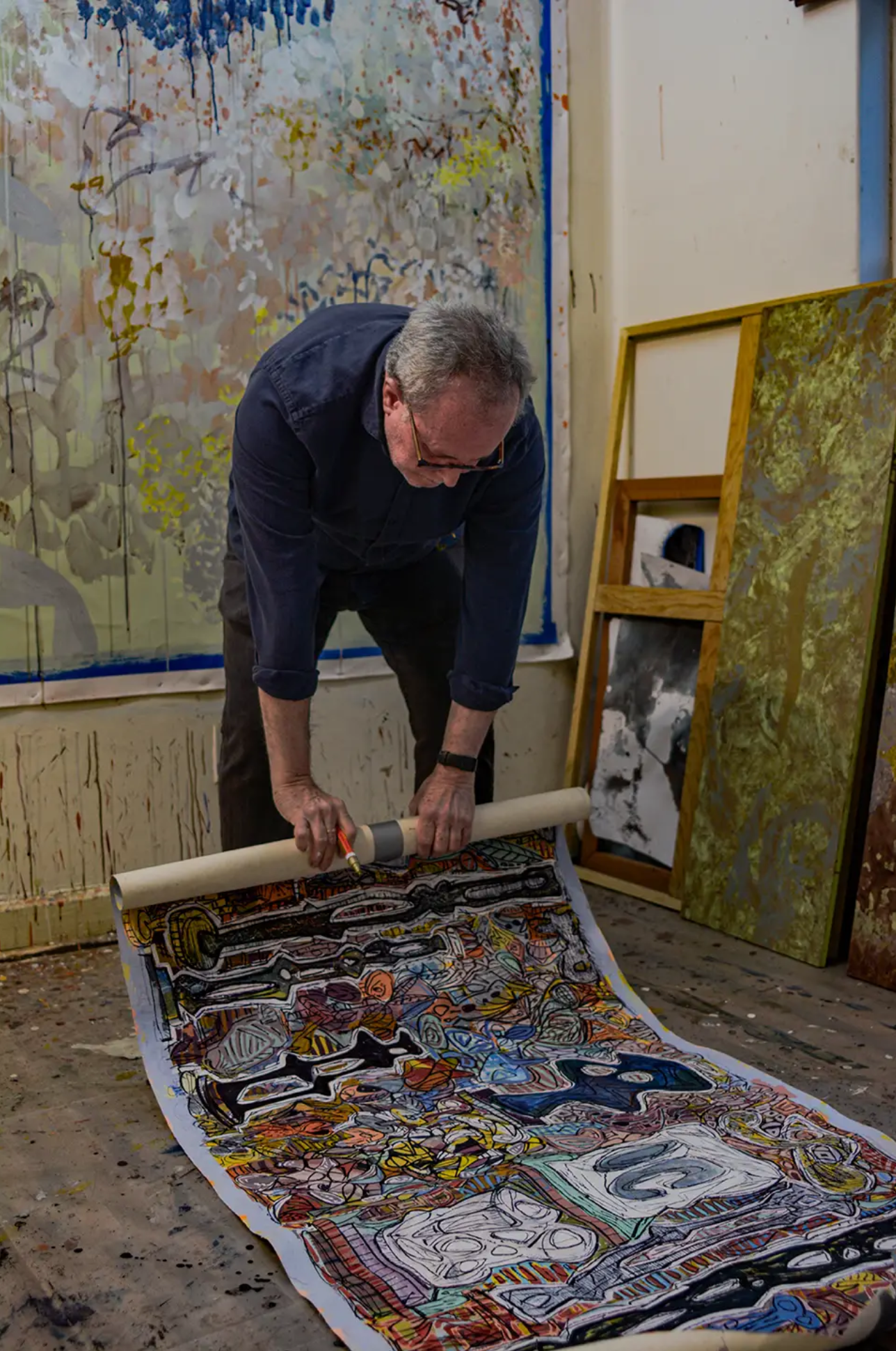
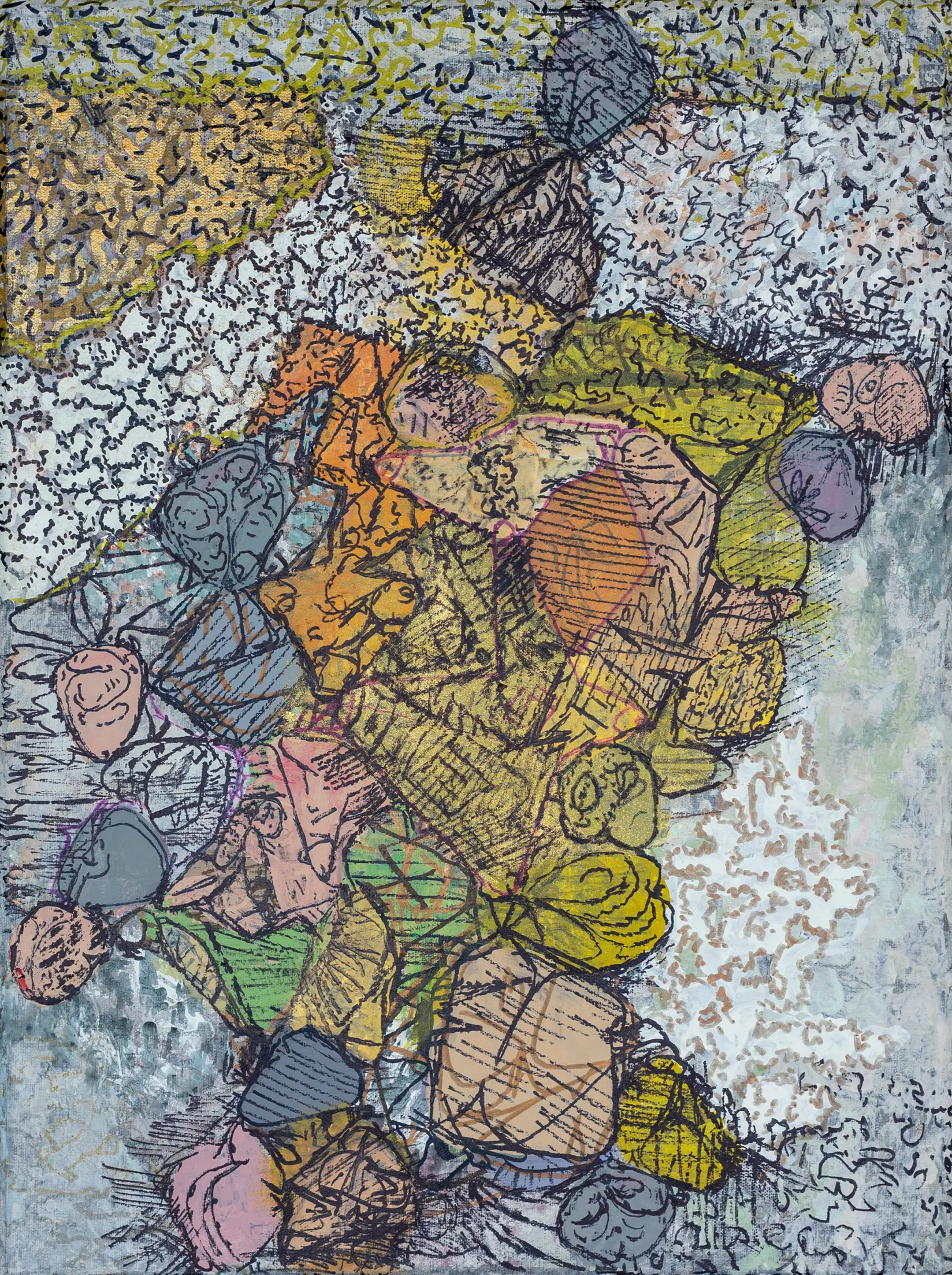
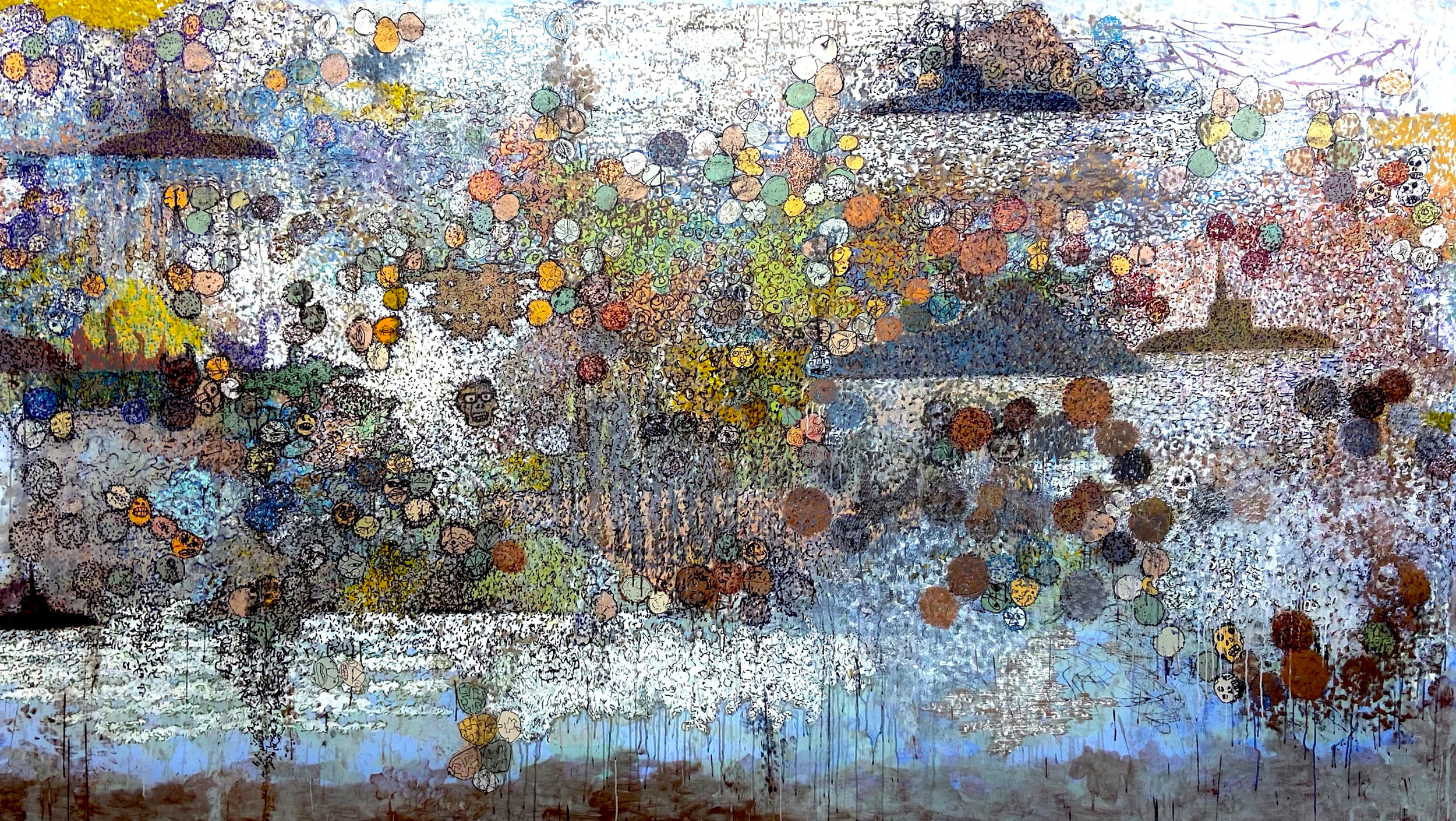
Flavio Garciandía is one of the most relevant figures of Postconceptual Art in the Caribbean. He is considered a key figure in the vibrant Cuban art scene of the late seventies and eighties. In addition to his importance as a professor at the Instituto Superior del Arte, his participation in the founding of the Havana Biennial stands out. He defines his work as New Tropical Abstraction, thus playing with the meteorological term Tropical Depre- sion, a type of thunderstorm very characteristic of the Caribbean. The starting point of his imaginary is the research on kitsch and other expressions of popular culture in Latin America. His painting, lucid, sophisticated, erudite, is a very detailed analysis of the history of modern art; of popular strategies of resistance to the normative discourse in the field of the politics of representation; of contemporary social utopias. His taste for appropriation, irony, paradox, humor, carnivalization of style, tautology and self-referentiality make his imaginary inescapable when it comes to enunciating the keys to postmodern art in Latin America.
“His career is long and diverse and his creation process is a kaleidoscopic series of experiences…that is one of the keys to his work. This courage, this freedom, this impertinence almost, of not being caught in any artistic straightjacket, in any style. He does not harbor the need to search everywhere and all the time for a message, a lesson, since great works do not teach us, do not instruct us, but immerse us in a kind of almost loving bewilderment.
Flavio is a marksman, an explorer, who sails freely, and always experiences immense pleasure in painting and creating, because he lives to create….guided by the strength of his inner self and a joyful pleasure in the creative process.”
Artist Statement
In speaking about his creative process, Flavio wrote,
“I cannot nor do I want to define my work, or suggest possible paths; these would be sterile and weakening. The work’s sudden changes of form and style are a response to the weariness of the same old thing. Instead, there is a morbid curiosity, an eagerness to surprise myself, to place improvisation and the unexpected at the top, ironically mocking notions of unity, identity and coherence: pure jazz.
It is an ongoing self portrait.”